
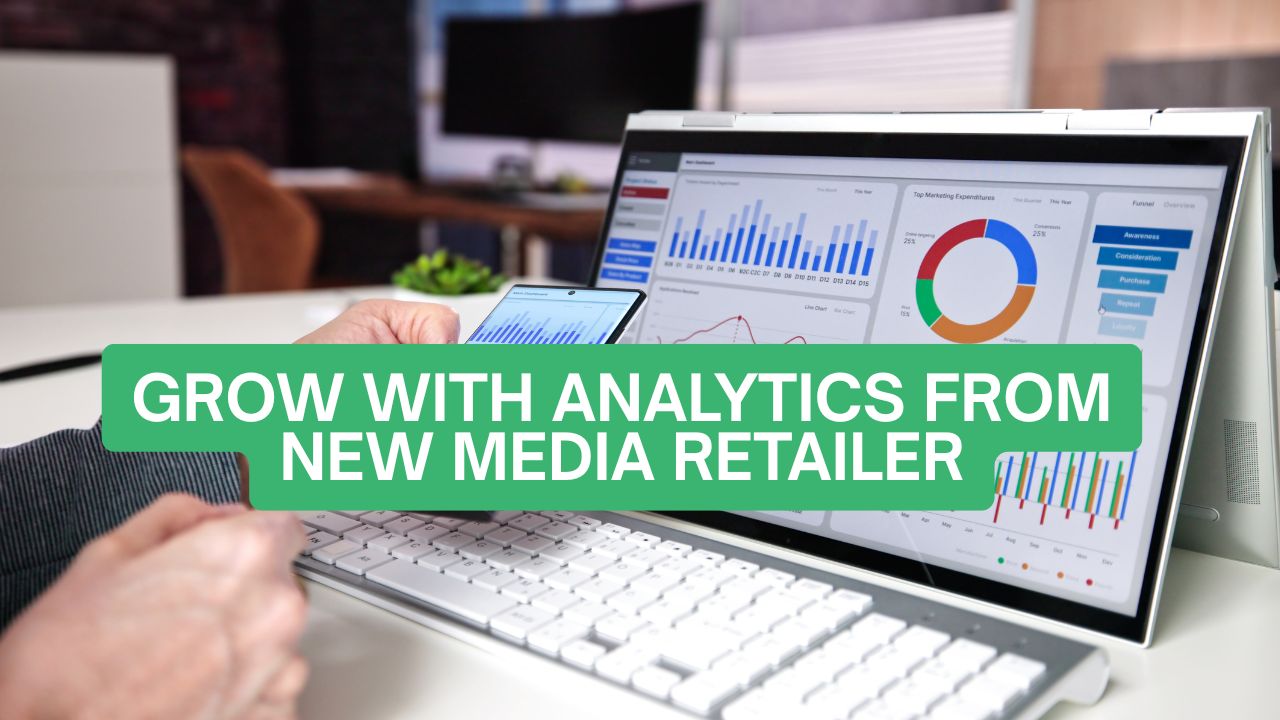
This article breaks down how to read and understand your monthly analytics report from New Media Retailer. This guide shows how to interpret data from your Google Business Profile, website traffic, product catalog views, and POS updates. This helps you make smarter decisions and grow your local business. It’s more than just numbers; it’s a powerful tool to help you understand what’s working and where there’s opportunity to grow.
Understanding Your Analytics Report
Your analytics report from New Media Retailer is full of information to help you understand how your online presence is doing. It also gives you ideas to help your business grow. This guide will explain what your analytics report means so you can use it to improve your business and see how well your online marketing is working.
Local Search Results
The first part of your report shows your local search results. This is mostly about your Google Business Profile and how it shows up in local searches for different keywords. New Media Retailer helps you make your Google Business Profile better because it’s important for your business to rank high. People search for products you sell or the type of business you are. You can see all the different searches that happened for this business in one month. We pull the top ones that led people to find this business’s Google Business Profile. It’s not just about being found for your name; it’s also about being found for the products and services you offer.
Many people decide on a business just from their Google Business Profile. That’s why it’s so important to have it set up well. They might click the call button right from the profile to ask a question about what the store sells, when it’s open, or if they offer a certain service. For example, in one month, 169 people called directly from Google. The report also shows how many people clicked on directions. Some people look at Google Business Profiles, pick a business based on what they see, click on directions, and drive right to the store. Google searches are often linked to visiting a store within a day, and this shows how that happens.
Website Activity
Next, you’ll see your website activity. For example, one business had 1,200 visits in a single month. Of those, 87 people found them through search. About 120 people searched for their name, but a big part of this, and why a website optimized for Google search is so important, is that many people just searched for products or services they wanted to buy. About 700 of these were “discovery searches.” This means a local customer was looking for a type of product or service they wanted to buy. You can see these searches and how many people searched for each thing. This is why it’s good to have a company like New Media Retailer that knows your industry and business and makes your website better for the right keywords.
You can see all these different searches. Often, it’s just one search a month, but that’s still one customer you could get. You can see how many of these are specific product searches, which we help make your website show up for, as well as brand and specific products.
Online Product Catalog Views
We also show page views of your online product catalog. This is how many people looked at your online product catalog in a given month. For example, 64 different page views. You can see how many page views each product got, which helps you find some of the most popular products in your catalog. This might be a chance to add more to a product line if you see many people looking at a certain type of product where you only carry one or two items from that brand. It could be a chance to add more to a certain part of your business because that part seems to get a lot of interest, and there might be more room for growth there.
We have online product catalogs because we know from a lot of research and data from thousands of other businesses that people use online product catalogs. Hundreds, if not thousands, of people every month look through local retailers’ online catalogs to decide before driving to the store. Local customers often search for a product, see who sells it, look at their online product catalog, plan their shopping trip, and then go to the store. The days of people just guessing and going to a store to find out if it sells what they’re looking for are gone. The online product catalog helps bring in the right customers who know what you have and want to come to your store to buy. It gets used by hundreds or even thousands in some months.
Point of Sale (POS) Updates
The last thing is about your Point of Sale (POS) system. It shows the last time your POS connected or updated. Some older POS systems need you to export and upload data, while others have direct connections. If you don’t have a direct connection with an updated POS, work with your marketing specialist to get there so this happens automatically. Otherwise, you’ll see a reminder of the last time your POS sent data.
It will tell you about new products added in the last month. For example, two products were added. You can ask for up to 50. If you don’t do that, you’ll likely see anywhere from 2 to 50 new products. Some of you might see a few hundred products added because we sync your catalog, and any new products in the database that aren’t in your catalog yet will sync to it. Over time, we check your catalog and add pictures, descriptions, and titles for those products so they are ready for the web and show up on your small business website. You’ll see your online product catalog grow as more products get this content added. Once we do that regularly, we push them to your small business website.
Key Takeaways
- Google Business Profile: Make sure it’s optimized for local searches, not just your business name.
- Website Traffic: Focus on discovery searches for products and services, not just branded searches.
- Online Product Catalog: Use it to identify popular products and drive in-store visits.
- POS Sync: Keep your POS updated for automatic product additions and catalog growth.
This is what your analytics report looks like, and this explains what it means for your business. We send this every month, but you’ll also be able to log into your local marketing dashboard soon to see this in real-time.